
Acne Grades Explained: When to Seek Treatment in Atlanta
- M BAR
- Feb 21
- 2 min read
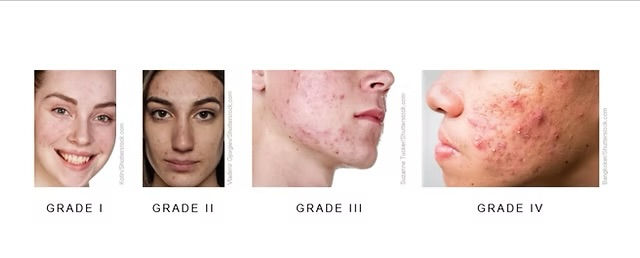
When is comes to addressing acne, the first question is where are you on the chart?
Acne is a common skin condition that occurs when hair follicles become clogged with oil, dead skin cells, and sometimes bacteria. This results in the formation of pimples, blackheads, whiteheads, cysts, or nodules. Acne typically appears on the face, but it can also develop on the back, chest, shoulders, and other parts of the body.
If you're dealing with persistent breakouts in Atlanta, understanding your acne grade can help determine whether over-the-counter products are enough — or if professional treatments like laser facials or advanced acne therapy are necessary.
There are several factors that contribute to acne, including:
Excess oil production: The sebaceous glands in the skin produce oil (sebum) to keep the skin moisturized. Sometimes, these glands produce too much oil, which can clog the hair follicles.
Dead skin cells: The shedding of dead skin cells can combine with the excess oil, leading to clogged pores.
Bacteria: The bacteria Propionibacterium acnes can thrive in clogged pores and contribute to inflammation, leading to the development of pimples or cysts.
Hormonal changes: Hormonal fluctuations, such as those that occur during puberty, menstruation, or pregnancy, can increase oil production and lead to acne.
Diet and lifestyle: While diet doesn't directly cause acne, certain foods, stress, and lack of sleep can exacerbate the condition in some individuals.
For moderate to severe acne (Grade III or IV), many Atlanta clients benefit from professional acne treatments designed to reduce inflammation, kill acne-causing bacteria, and prevent long-term scarring.
For clients in Atlanta — including Buckhead, Brookhaven, Dunwoody, and Johns Creek — professional acne treatment can help reduce breakouts, inflammation, and long-term scarring.
Comments