
Beard Hyperpigmentation vs Razor Bumps: What's the Difference?
- M BAR
- Jun 18
- 3 min read
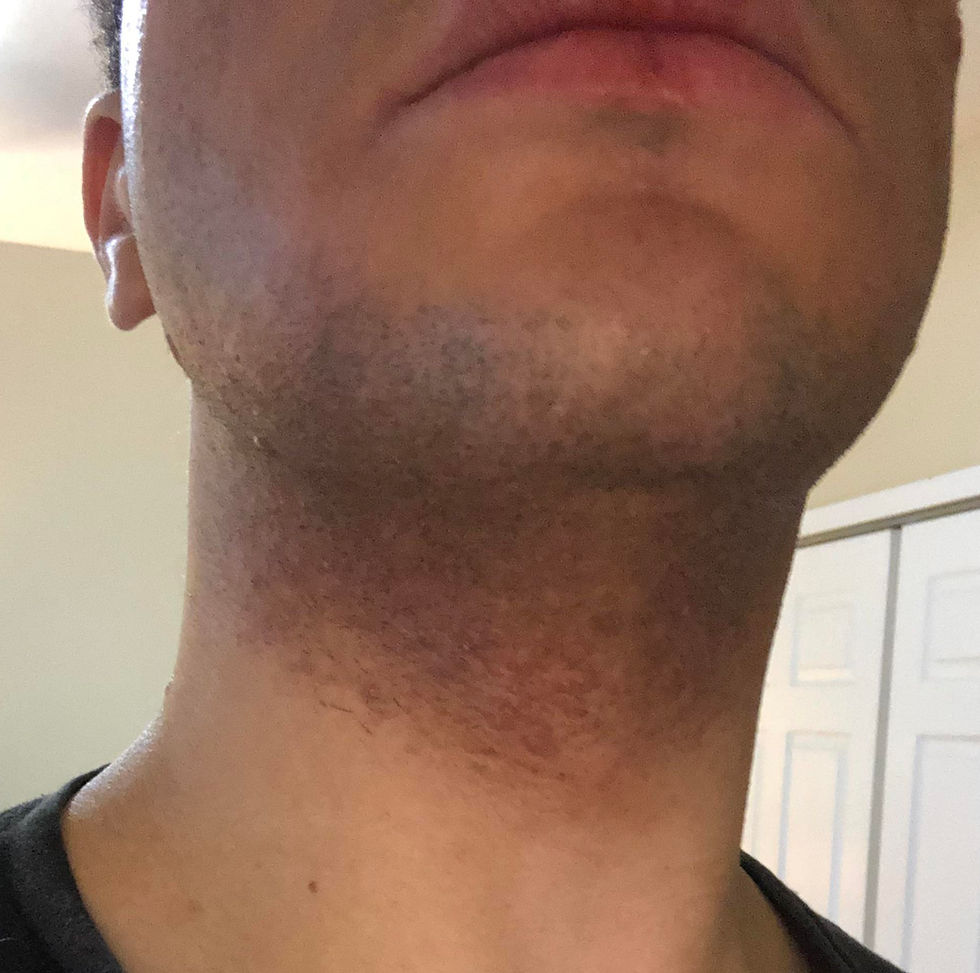
Beard Hyperpigmentation vs Razor Bumps: What's the Difference?
Many men notice dark spots, bumps, and irritation in their beard area but aren't always sure what's causing them. One of the most common questions we hear is whether beard hyperpigmentation and razor bumps are the same thing. While the two conditions are closely related, they are not the same. In fact, razor bumps are often the cause of beard hyperpigmentation. Understanding the difference can help you choose the right treatment and prevent future skin concerns.
What Are Razor Bumps?
Razor bumps, also known as pseudofolliculitis barbae, occur when shaved hairs curl back into the skin instead of growing outward. As the hair becomes trapped beneath the skin, the body recognizes it as a foreign object and triggers inflammation.
Common symptoms include:
Small raised bumps
Redness
Tenderness
Itching
Ingrown hairs
Irritated skin after shaving
Razor bumps most commonly affect the:
Neck
Jawline
Chin
Upper neck beard area
Men with curly or coarse facial hair are especially prone to developing razor bumps.
What Is Beard Hyperpigmentation?
Beard hyperpigmentation refers to dark patches or discoloration that remain after inflammation has healed. Unlike razor bumps, hyperpigmentation is usually flat and does not contain active inflammation. Instead, it develops when the skin produces excess melanin during the healing process.
Common signs include:
Brown spots
Gray-brown patches
Uneven skin tone
Dark marks under the beard
Discoloration around previous ingrown hairs
How Razor Bumps Cause Hyperpigmentation
One of the most common causes of beard hyperpigmentation is repeated irritation from razor bumps. The process often looks like this:
Step 1: Shaving Causes an Ingrown Hair
The hair becomes trapped beneath the skin.
Step 2: Inflammation Develops
The body creates redness and swelling around the hair follicle.
Step 3: Healing Begins
As the inflammation resolves, the skin produces additional pigment.
Step 4: Dark Spots Remain
Even after the bump disappears, discoloration may remain for weeks or months.
This is known as post-inflammatory hyperpigmentation (PIH).
Beard Hyperpigmentation vs Razor Bumps
Razor Bumps | Beard Hyperpigmentation |
Raised bumps | Flat discoloration |
Active inflammation | Healed skin |
May itch or hurt | Usually painless |
Caused by ingrown hairs | Caused by excess pigment |
Can become infected | Typically cosmetic |
Often red or inflamed | Usually brown or gray-brown |
Who Is Most at Risk?
Both conditions are more common among:
Men with curly facial hair
Men with coarse beard growth
Individuals with medium to deeper skin tones
Men who shave frequently
Those prone to acne or ingrown hairs
How to Treat Razor Bumps
Treatment focuses on reducing inflammation and preventing ingrown hairs.
Helpful strategies include:
Proper Shaving Technique
Shave with the grain
Avoid stretching the skin
Use a sharp razor
Avoid multiple passes
Gentle Exfoliation
Regular exfoliation may help prevent trapped hairs from developing.
Professional Treatments
How to Treat Beard Hyperpigmentation
Because hyperpigmentation involves excess pigment rather than active inflammation, treatment focuses on skin renewal.
Microneedling
Laser Facials
Professional Skincare
Brightening ingredients and medical-grade skincare products may help support a more even complexion.
Can You Have Both Conditions at the Same Time?
Yes. Many men experience active razor bumps alongside dark spots left behind by previous outbreaks. In these cases, treatment often focuses on both preventing future ingrown hairs and improving existing discoloration.
How to Prevent Future Beard Hyperpigmentation
To lower your risk:
Shave properly
Avoid picking at bumps
Treat ingrown hairs early
Use sunscreen daily
Maintain a consistent skincare routine
Seek professional treatment for chronic razor bumps
When Should You Seek Professional Treatment?
If dark spots or razor bumps continue to return despite changing your shaving routine, professional treatment may help address the root cause and improve your overall skin health.
Treat Beard Hyperpigmentation and Razor Bumps in Atlanta
At The Mbar Medspa, we offer customized treatments for beard hyperpigmentation, razor bumps, ingrown hairs, and acne scarring. Whether you're dealing with active irritation or stubborn dark spots, we can create a treatment plan tailored to your skin goals. We proudly serve clients throughout Buckhead, Brookhaven, Sandy Springs, Dunwoody, Johns Creek, Alpharetta, and the greater Atlanta area.
FAQ
No. Razor bumps are active inflammation caused by ingrown hairs, while beard hyperpigmentation refers to dark spots left behind after healing.
Yes. Repeated inflammation from razor bumps can lead to post-inflammatory hyperpigmentation.
Common causes include razor bumps, ingrown hairs, acne, and skin irritation.
Microneedling may improve the appearance of dark spots by encouraging collagen production and skin renewal.
Comments